

Take control With
BUilding science
Why Standard Construction Fails…
Standard construction often relies on prescriptive methods that fail to account for the real-world movement of heat, air, and moisture. This neglect creates inherent vulnerabilities, leading to common home issues like unexplained drafts, high energy bills, and hidden problems like condensation, mold, and structural rot within the walls. Building Science steps in where tradition fails, using engineering principles to proactively control these forces and ensure a durable, healthy, and high-performing structure.
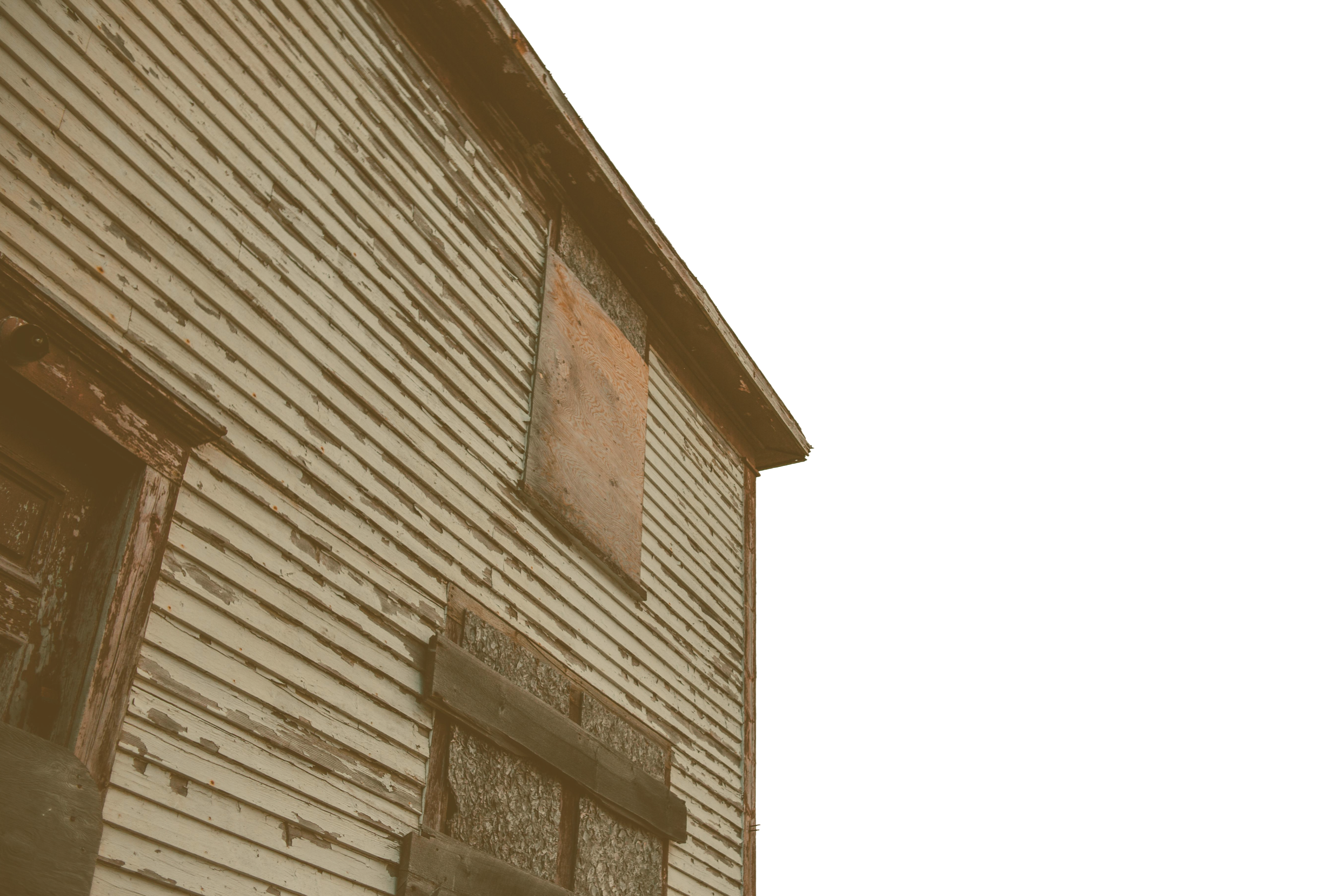
Litigation Risk: Up to 80% of building litigation claims are caused by severe water intrusion and moisture-related failures.

Air Quality: As much as 60% of the air on the first floor may originate directly from a dirty or unsealed crawl space.
Energy Waste: Standard construction often wastes up to 40% of energy through unmanaged air leaks and thermal bridging.
Premature Failure: Poor detailing and uncontrolled moisture cause early rot, significantly shortening a home’s lifespan.
What is BUilding Science?
We don’t guess—we calculate. Using advanced Building Science, we establish a continuous 'Red Line' around your entire home, ensuring the four critical Control Layers are never broken. This unbroken boundary acts as a permanent shield, meticulously engineered to stay connected from the foundation to the roof. By maintaining this total enclosure, we eliminate the gaps and weak points where traditional construction fails.
By perfecting these layers—Water, Air, Vapor, and Thermal—we prevent the external environment from ever compromising your structure. This high-performance approach creates a home that isn't just built, but engineered for maximum durability and total indoor comfort. The result is a healthy, energy-efficient sanctuary designed to perform at the highest level for generations to come.
-
The Water Control Layer is the first line of defense against liquid moisture penetration. It consists of an integrated system of materials, such as exterior claddings, flashings, and the water-resistive barrier (WRB), designed to shed bulk water away from the wall assembly. Its primary function is to prevent rain and snowmelt from entering the structure, thereby guarding against mold, rot, and structural damage.
-
The Air Control Layer (or air barrier) is a continuous, interconnected plane that restricts the movement of air into and out of the building enclosure. Controlling air movement prevents energy loss through convection and stops moisture-laden air from condensing within the wall assembly. This layer is crucial for maintaining both energy efficiency and superior indoor air quality.

-
The Vapor Control Layer is designed to limit the movement of moisture in its gaseous form (water vapor) through the building's materials. This layer, often referred to as a vapor retarder or barrier, is strategically placed within the wall assembly based on climate. Its function is to prevent the condensation of water vapor inside the structure where it could damage insulation and encourage microbial growth.
-
The Thermal Control Layer is the insulation system responsible for resisting the flow of heat. It is a continuous layer applied strategically across the entire enclosure—walls, roof, and foundation—to minimize heat transfer via conduction, convection, and radiation. Effective thermal management maintains a comfortable indoor temperature, significantly reduces the demand on heating and cooling equipment, and is the primary driver of building energy efficiency.

Your home for generations
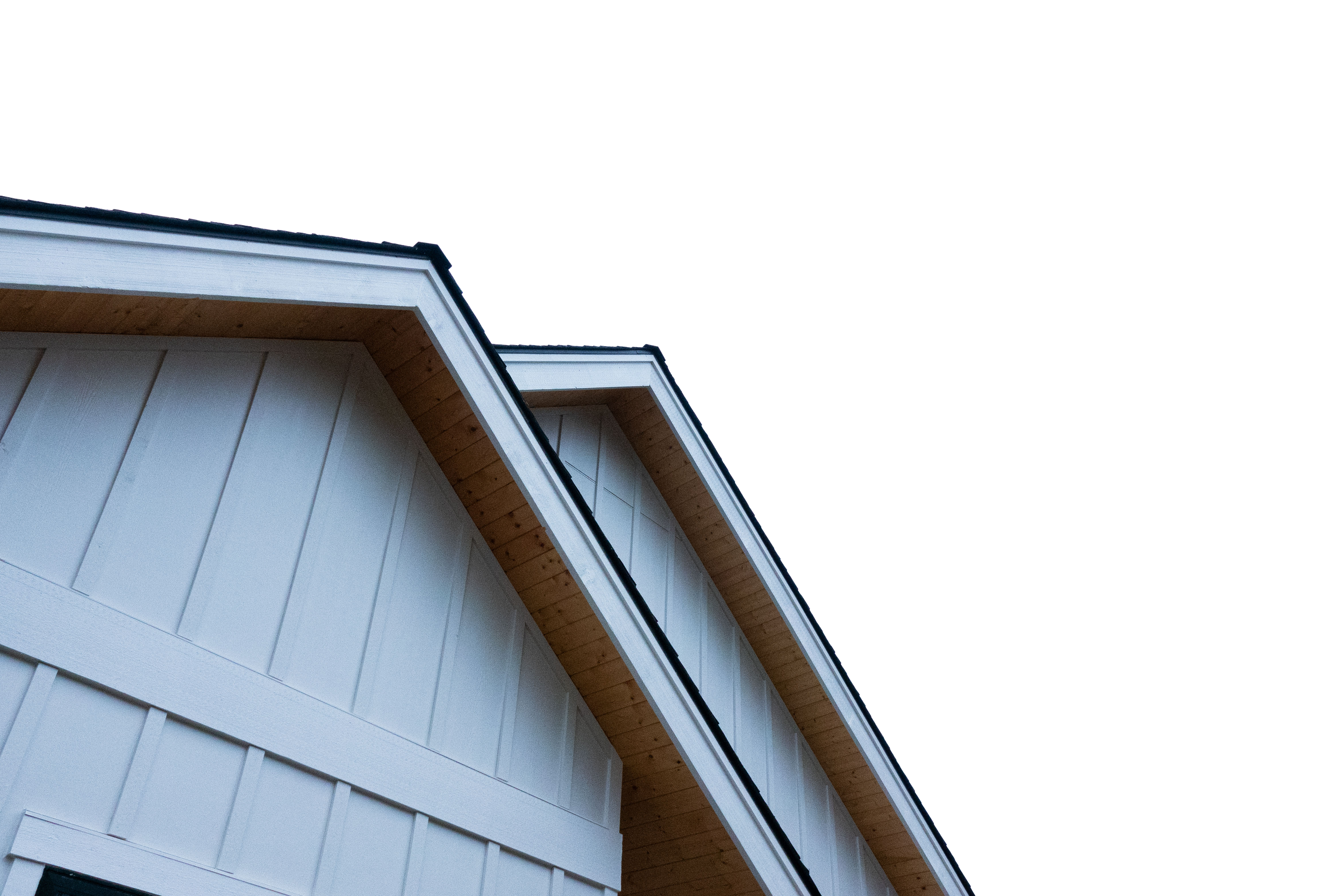
A high-performance home is achieved only when the four critical control layers—Water, Air, Vapor, and Thermal—are seamlessly integrated and meticulously detailed across every square inch. While traditional building methods treat walls as collections of unrelated components, we engineer the building enclosure as a unified, high-functioning system. This rigorous and holistic approach ensures that no single failure point ever compromises the entire structure, delivering a resilient shield against the elements and guaranteeing peak performance for the entire life of the home.
Water Management: Exterior drainage sheds bulk water, backed by a continuous layer that permanently shields the structure.

Air Quality: Mechanical ventilation provides fresh, filtered air while actively controlling moisture and removing pollutants.
Exceptional Comfort: Enjoy total thermal consistency with no drafts or temperature swings throughout the entire house.
Ultimate Durability: An engineered enclosure prevents water intrusion and mold, significantly extending the structure's life.
The Red line in
Building Science
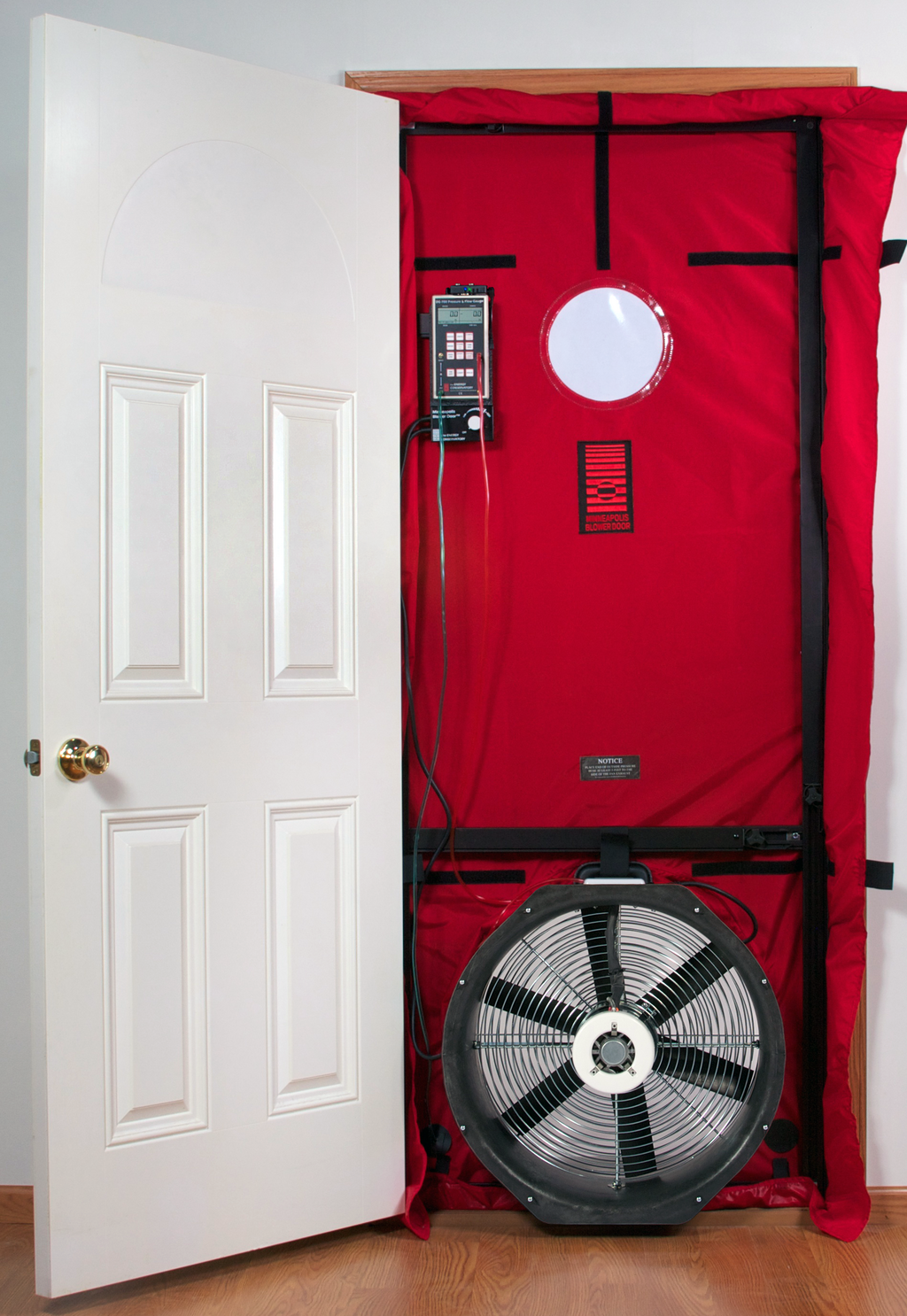
The RED LINE is the continuous air seal surrounding your home. We verify its success using a Blower Door Test, which measures exactly how much air leaks through the enclosure. Just as a balloon with pinpricks cannot hold pressure, a home with a fractured air seal constantly loses the energy you pay for.
Without a solid RED LINE, thermal bridging creates a year-round temperature clash. Whether it’s winter heat escaping or hot summer air meeting your conditioned interior, this imbalance pulls moisture into your walls. A continuous barrier stops this cycle, protecting your home’s structural integrity and ensuring a healthy, stable environment for years to come.
Investing in the RED LINE is about more than just efficiency; it is a commitment to structural longevity. By sealing out moisture, pollutants, and air at the source, you ensure your home remains a healthy, durable environment. This is the only way to transform a standard house into a high-performance legacy.
Your home for generations
A high-performance home is achieved only when the four critical control layers—Water, Air, Vapor, and Thermal—are seamlessly integrated and meticulously detailed across every square inch. While traditional building methods treat walls as collections of unrelated components, we engineer the building enclosure as a unified, high-functioning system. This rigorous and holistic approach ensures that no single failure point ever compromises the entire structure, delivering a resilient shield against the elements and guaranteeing peak performance for the entire life of the home.
Water Management: Exterior drainage sheds bulk water, backed by a continuous layer that permanently shields the structure.
Air Quality: Mechanical ventilation provides fresh, filtered air while actively controlling moisture and removing pollutants.
Exceptional Comfort: Enjoy total thermal consistency with no drafts or temperature swings throughout the entire house.
Ultimate Durability: An engineered enclosure prevents water intrusion and mold, significantly extending the structure's life.
The Red line in
Building Science
The RED LINE is the continuous air seal surrounding your home. We verify its success using a Blower Door Test, which measures exactly how much air leaks through the enclosure. Just as a balloon with pinpricks cannot hold pressure, a home with a fractured air seal constantly loses the energy you pay for.
Without a solid RED LINE, thermal bridging creates a year-round temperature clash. Whether it’s winter heat escaping or hot summer air meeting your conditioned interior, this imbalance pulls moisture into your walls. A continuous barrier stops this cycle, protecting your home’s structural integrity and ensuring a healthy, stable environment for years to come.
Investing in the RED LINE is about more than just efficiency; it is a commitment to structural longevity. By sealing out moisture, pollutants and air at the source, you ensure your home remains a healthy, durable environment. This is the only way to transform a standard house into a high-performance legacy.
The Breathing
House Myth
The notion that a home should "breathe" is a misconception that leads to costly repairs. A house doesn't need to breathe—it needs to dry.
When a house "breathes" through leaks, it creates thermal bridging that pulls in moisture-laden air. This vapor gets trapped inside wall cavities, leading to condensation, wood rot, and mold growth. This doesn't just ruin the building's skeleton; it infects your indoor air quality and creates an unhealthy environment for your family.
otal control over your home’s health requires more than just a seal—it requires a system. By integrating a RED LINE air seal with exterior insulation, we move the thermal bridge to the outside and stop moisture damage in its tracks. This dual-layer protection ensures your structure stays dry, secure, and durable for a lifetime.
The Breathing
House Myth
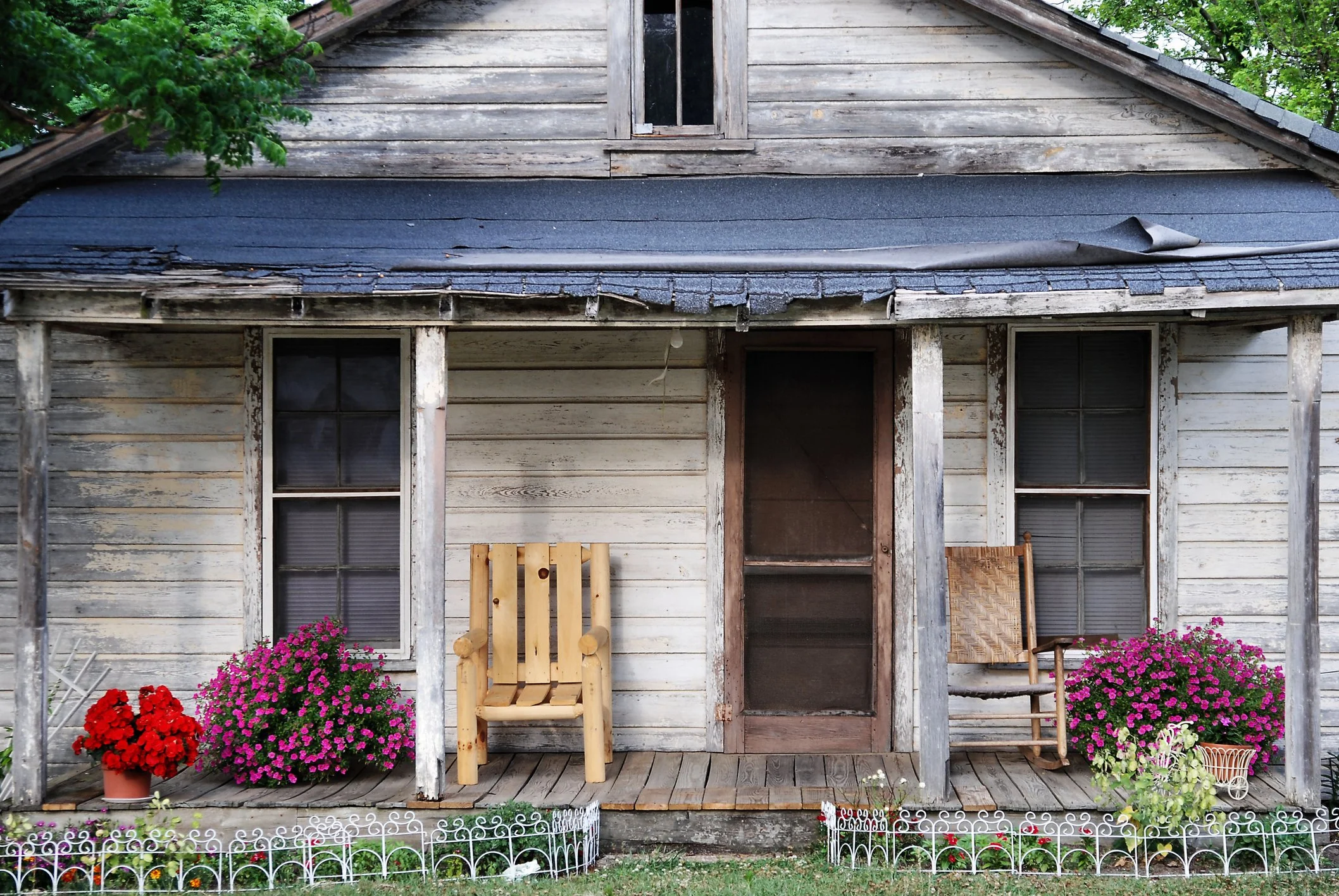
The notion that a home should "breathe" is a misconception that leads to costly repairs. A house doesn't need to breathe—it needs to dry.
When a house "breathes" through leaks, it creates thermal bridging that pulls in moisture-laden air. This vapor gets trapped inside wall cavities, leading to condensation, wood rot, and mold growth. This doesn't just ruin the building's skeleton; it infects your indoor air quality and creates an unhealthy environment for your family.
Total control over your home’s health requires more than just a seal—it requires a system. By integrating a RED LINE air seal with exterior insulation, we move the thermal bridge to the outside and stop moisture damage in its tracks. This dual-layer protection ensures your structure stays dry, secure, and durable for a lifetime.

The RED LINE in action
Standard Construction VS Building Science

Standard - Vented

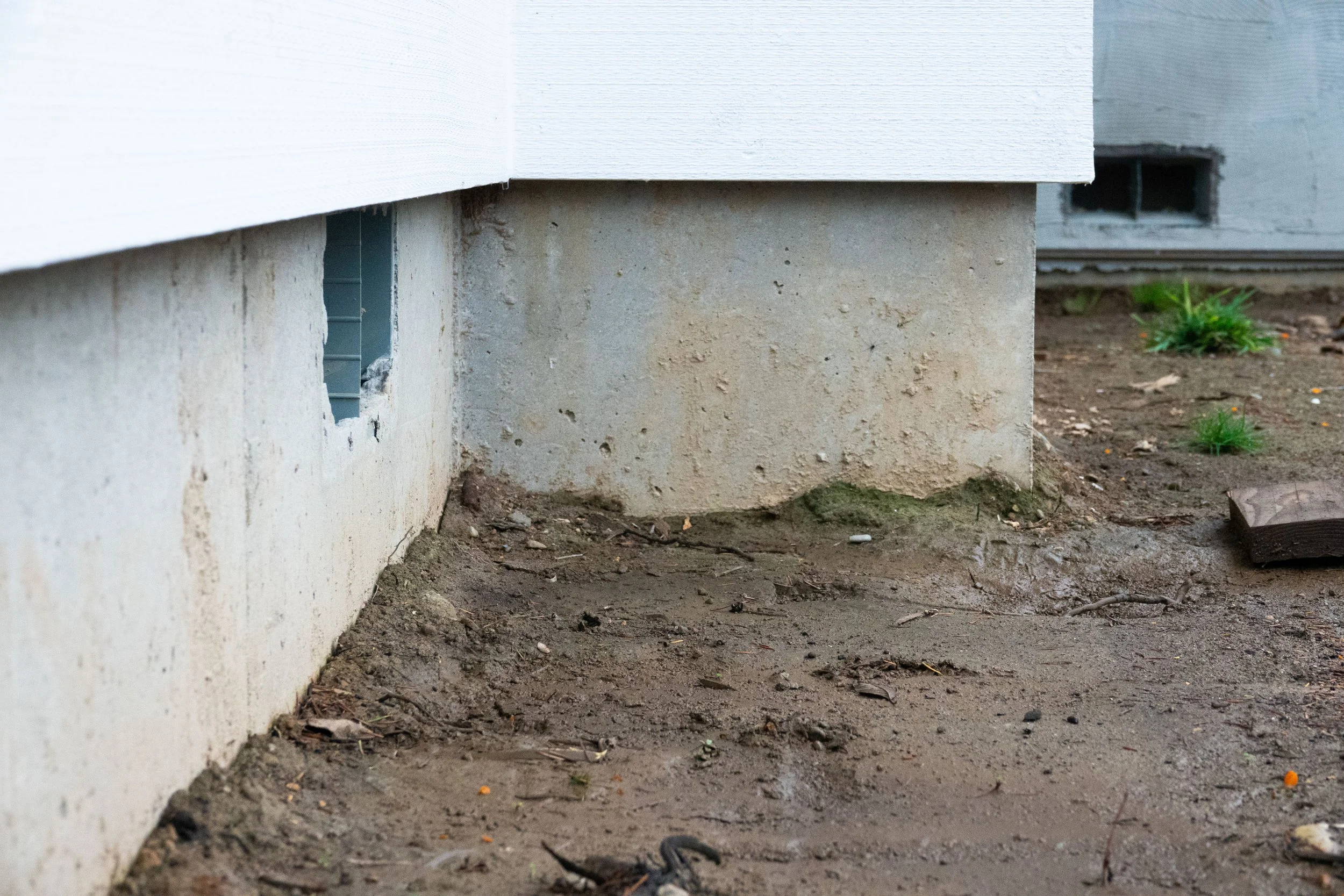
In standard building vents allow humid air to enter and get trapped under your home. This moisture condenses into mold and rot, compromising your foundation and your air quality.
Building Science - Sealed

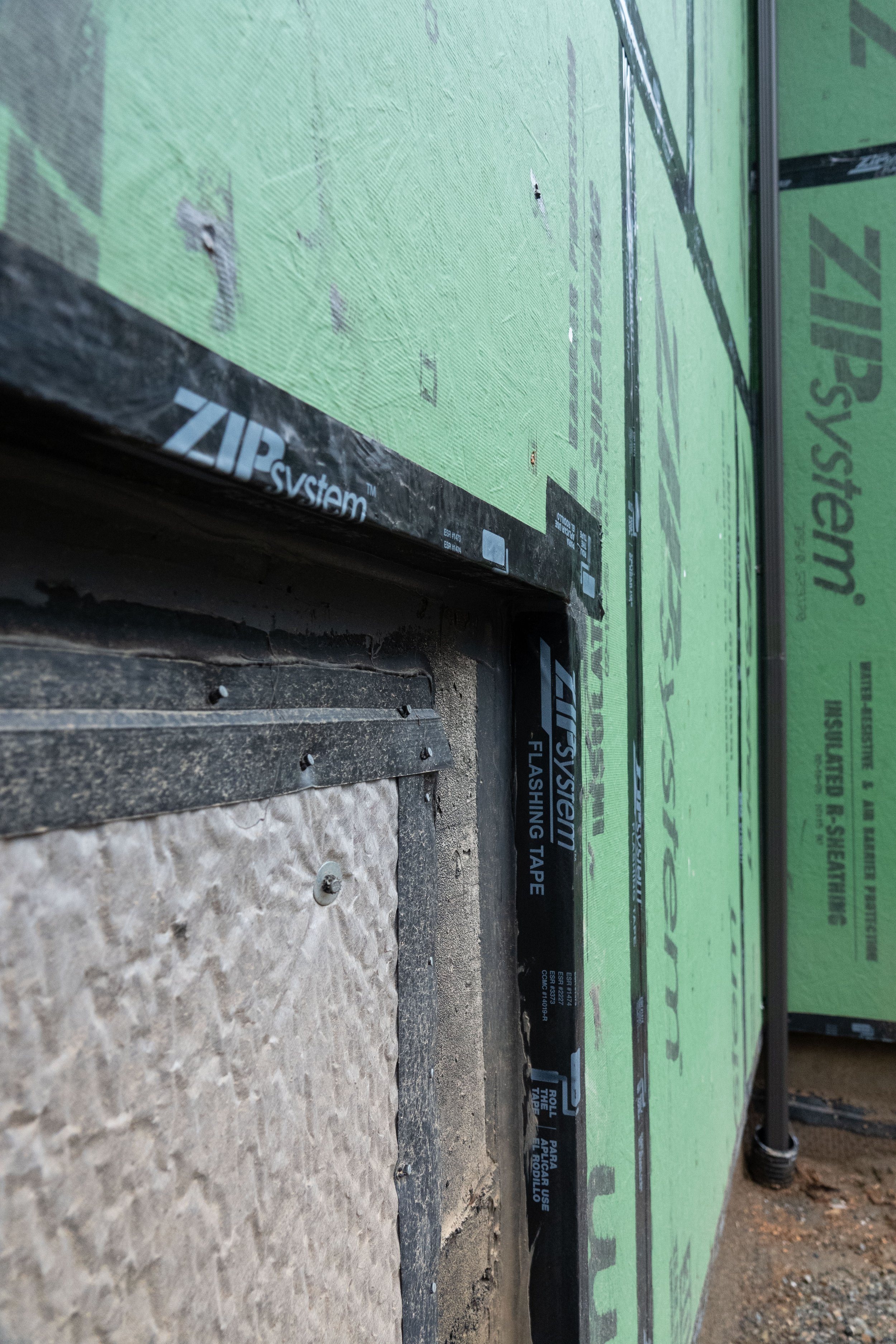
Using building science we eliminate vents in favor of a fully sealed exterior enclosure. By blocking moisture and vapor from the start, we create a bone-dry environment that protects your structure for life.
Standard - Leaks
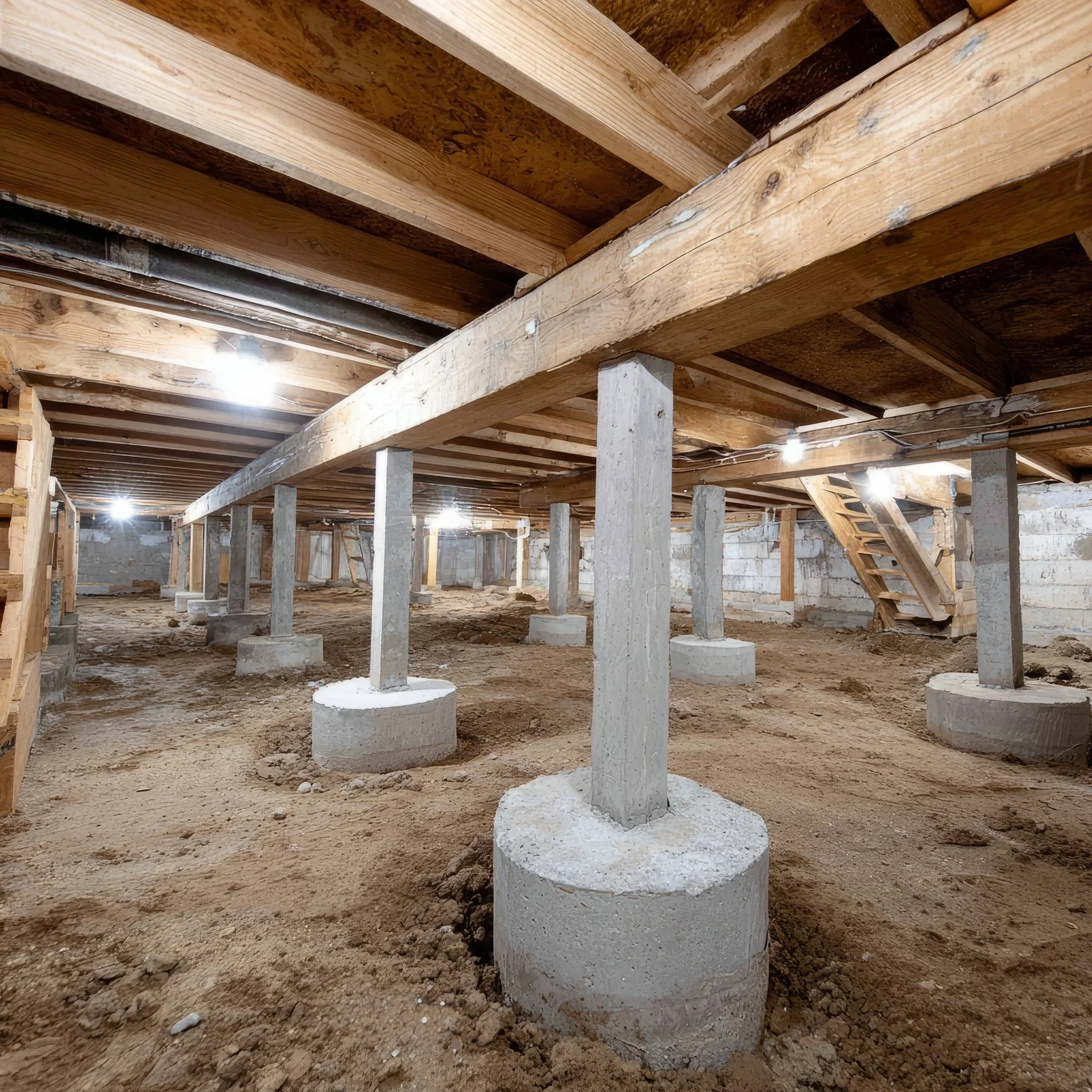
Standard crawl spaces often have dirt floors or vapor barriers that aren't air-sealed to the foundation walls. This "vapor drive" leads to high humidity, wood rot, and poor indoor air quality that allows for mold growth.
Building Science - Sealed
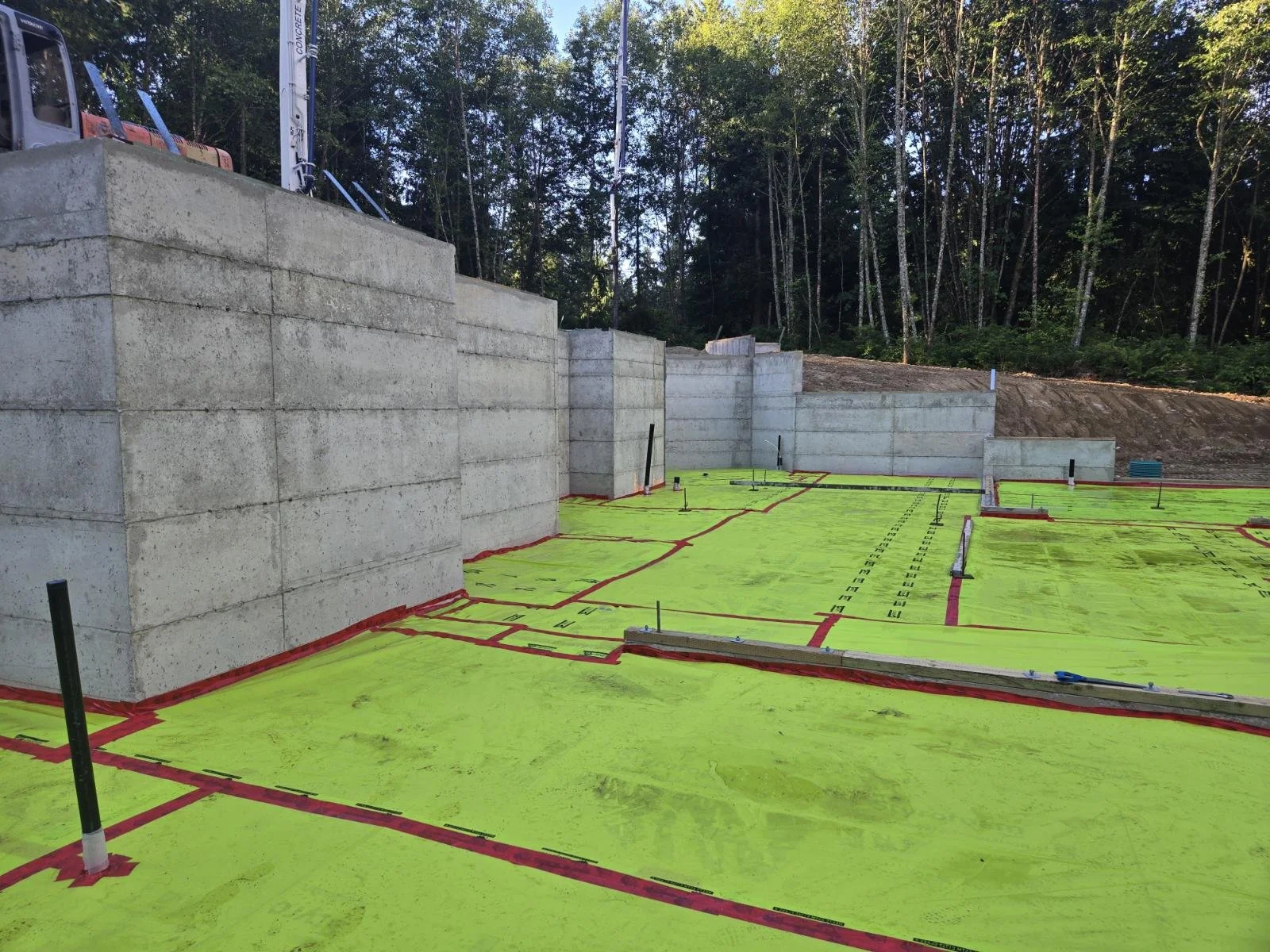
As seen in this photo during a basement pre-slab installation, our heavy-duty vapor barrier is air-sealed directly to the foundation walls. This creates a permanent, unbroken seal that ensures absolutely no moisture or compromise can enter your home from underneath.
Standard - The Results
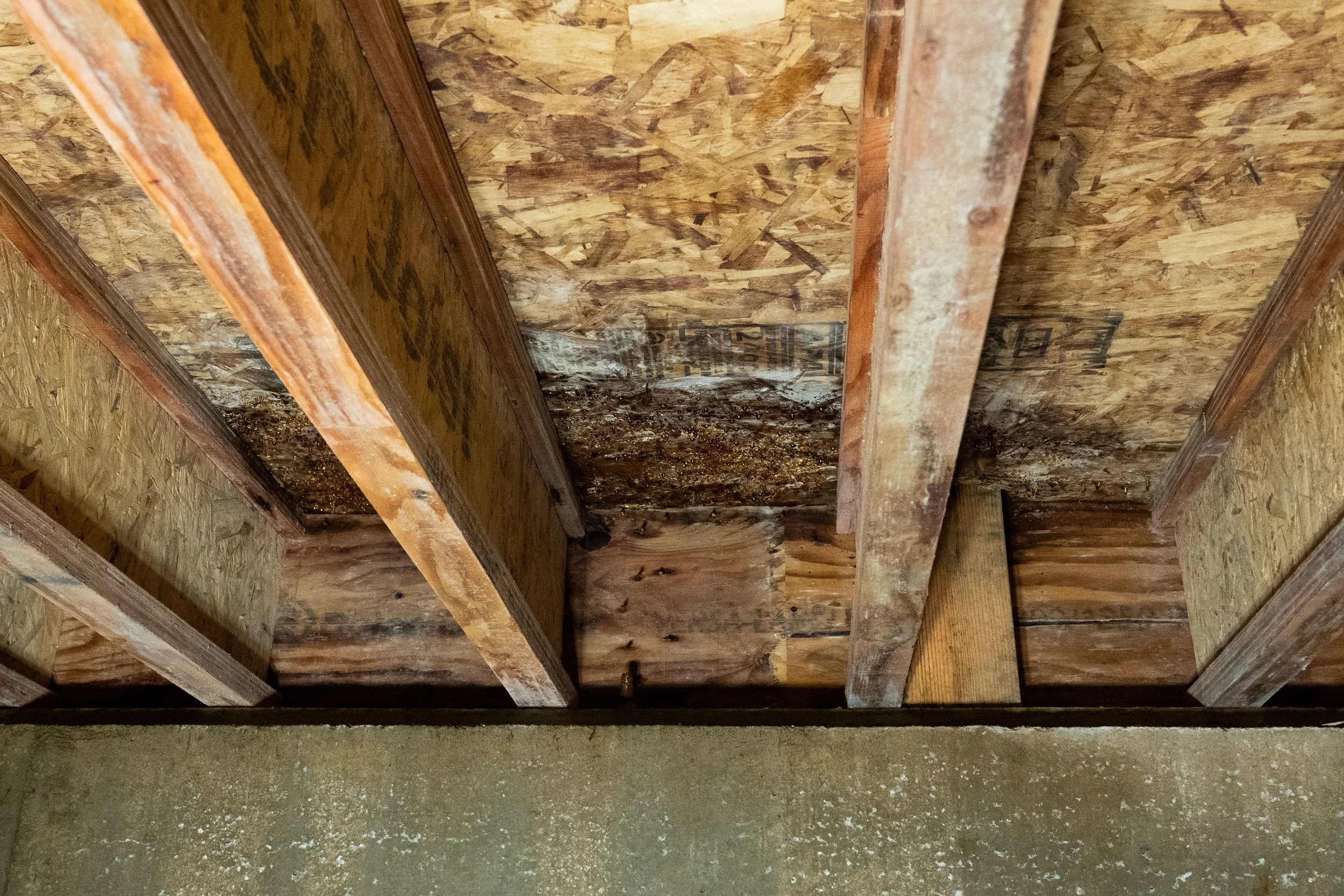
Poor moisture and aircontrol leads to a cycle of structural decay and toxic mold growth. This compromise doesn't just damage your wood and foundation; it ruins your indoor air quality by pulling damp, polluted air from the crawl space into your living areas.
Building Science - The Results
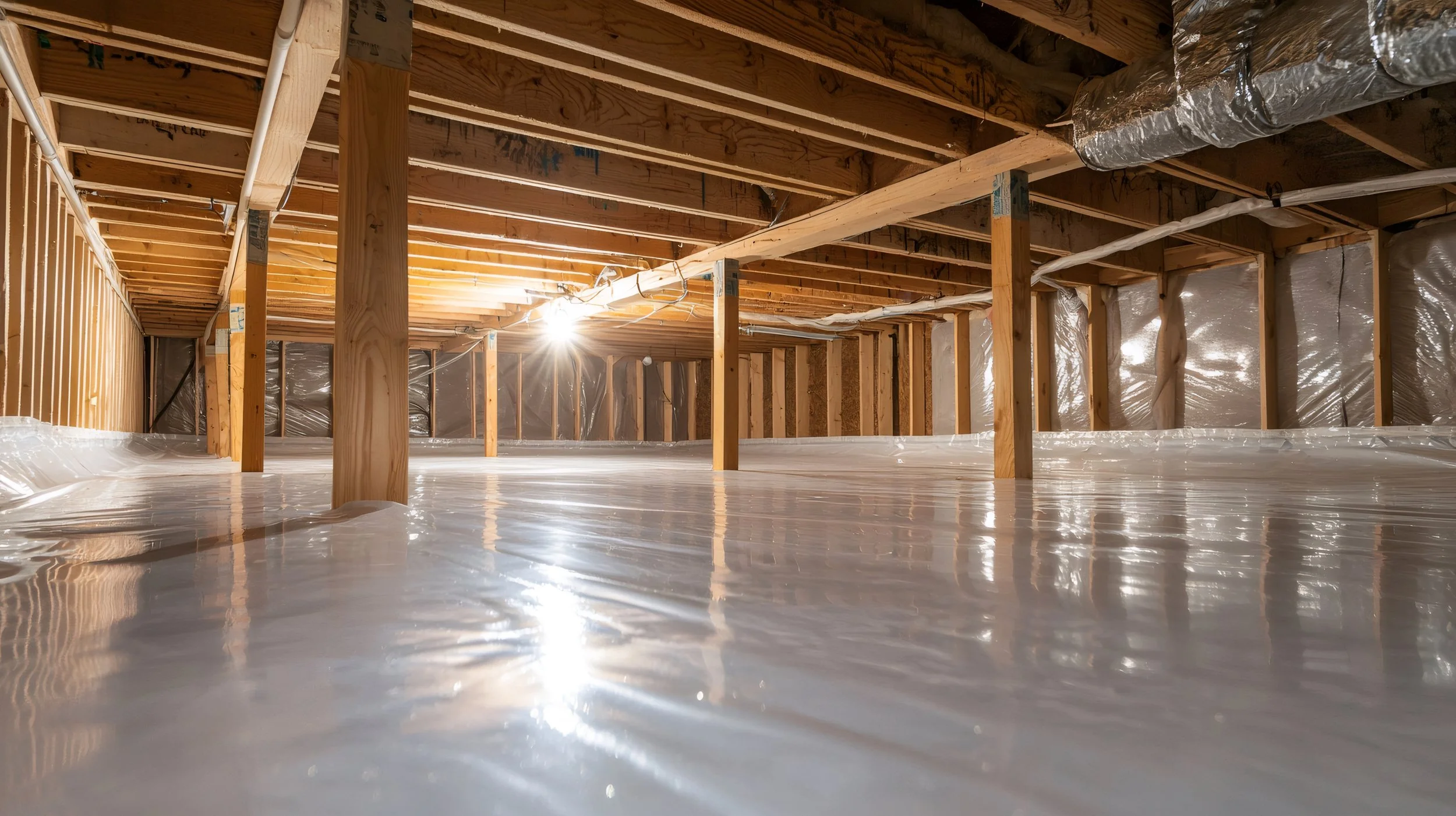
Whether it’s a crawlspace or a basement, our approach guarantees a healthy, bone-dry structure that is built to last centuries. By eliminating moisture at the source, we provide superior air quality and unmatched durability, protecting both your family’s health and your long-term investment.
Where the Red line breaks in
Standard Construction
-
Baseboard Gaps: Tiny spaces between the drywall and subfloor allow air to move freely behind your walls.
Electrical Outlets: Air often flows through internal wall cavities and leaks out from behind your outlet faceplates.
Pocket Door Cavities: The hollow frames for sliding doors often open directly into unconditioned and unsealed attic spaces.
Knee Wall Breaks: Short walls in finished attics frequently hide large gaps in the home's thermal and air boundary.
Cabinetry Penetrations: Unsealed holes for plumbing under sinks are often overlooked points of significant internal air movement.
-
Windows & Doors: Gaps around rough openings and worn weatherstripping allow external air to infiltrate your living space.
Service Entrances: Penetrations for gas, cable, and phone lines create direct pathways for significant outside air leakage.
Outdoor Electrical: Unsealed light fixtures and outlet boxes pull humid exterior air into your home's wall cavities.
Exterior Hose Bibs: Holes for water faucets frequently lack the necessary gaskets to maintain a continuous air seal.
Ventilation Terminations: Damaged dryer vent flaps or unsealed pipe penetrations compromise the integrity of the home’s boundary.
-
Wall Top Plates: Holes drilled for electrical and plumbing lines allow conditioned air to escape into the attic.
Attic Access Hatches: Uninsulated or poorly sealed panels create a massive chimney effect for heat and energy loss.
Recessed Lighting: Non-airtight "can" lights pull warm air from living spaces and dump it into the cold attic.
Plumbing Stack Vents: Gaps around PVC pipes exiting through the roof allow moisture and air to bypass the seal.
Exhaust Fan Housing: Improperly sealed bathroom fans create a permanent break in the ceiling’s critical vapor barrier.
-
Crawl Space Vents: Traditional vents invite humid air and ground vapor directly into your home’s structural base.
Sill Plate Joints: The critical connection where wood framing meets the concrete foundation is a common leakage point.
Rim Joist Gaps: Perimeter floor joists are frequent failure points where external air bypasses your home’s thermal insulation.
Foundation Cracks: Small fissures in concrete walls allow soil gases and moisture to penetrate the lower control layers.
Access Hatches: Loose-fitting crawl space doors act as a constant breach in your home’s lower red line boundary.